



Equipment detailing is the process of deep-cleaning, degreasing, and protecting tractors, mowers, skid steers, and other machinery so they run cleaner and last longer. Most owners wash dirt off the surface and call it done, missing the grime packed into radiators, undercarriages, and hydraulic joints that quietly wears parts down. In Marion County’s clay, sand, and humidity, that buildup accelerates rust and corrosion faster than most people realize.
This guide breaks down what real equipment detailing includes, how it differs for heavy machinery versus lawn gear, and how often Ocala-area owners should schedule it. We’ll also cover honest DIY-versus-professional tradeoffs so you can decide what’s worth your weekend and what’s worth hiring out.
📌 Key Takeaways
- Equipment detailing removes caked mud, grease, and plant sap from engines, undercarriages, and attachments — not just the paint.
- Heavy equipment detailing protects resale value on tractors, skid steers, and construction gear worth tens of thousands of dollars.
- Lawn equipment detailing (mowers, blowers, trimmers) prevents grass acid and fuel residue from eating through decks and housings.
- Quarterly detailing is a reasonable baseline for most working equipment in Ocala’s climate; heavy-use fleets benefit from monthly service.
- Professional mobile detailing saves hauling time and often catches corrosion issues before they become expensive repairs.
Jump to a section:
- See What Equipment Detailing Actually Involves
- Protect Heavy Machinery With Proper Detailing
- Keep Lawn Equipment Running Longer
- Know What’s Included in a Service
- Compare DIY and Professional Options
- Set the Right Detailing Schedule
- Read Common Questions
See what equipment detailing actually involves
Quick Answer: Equipment detailing means degreasing, pressure-washing, and treating every surface of a machine — engine bay, undercarriage, tires, and cab — with products matched to each material. It’s closer to a full service than a quick rinse.
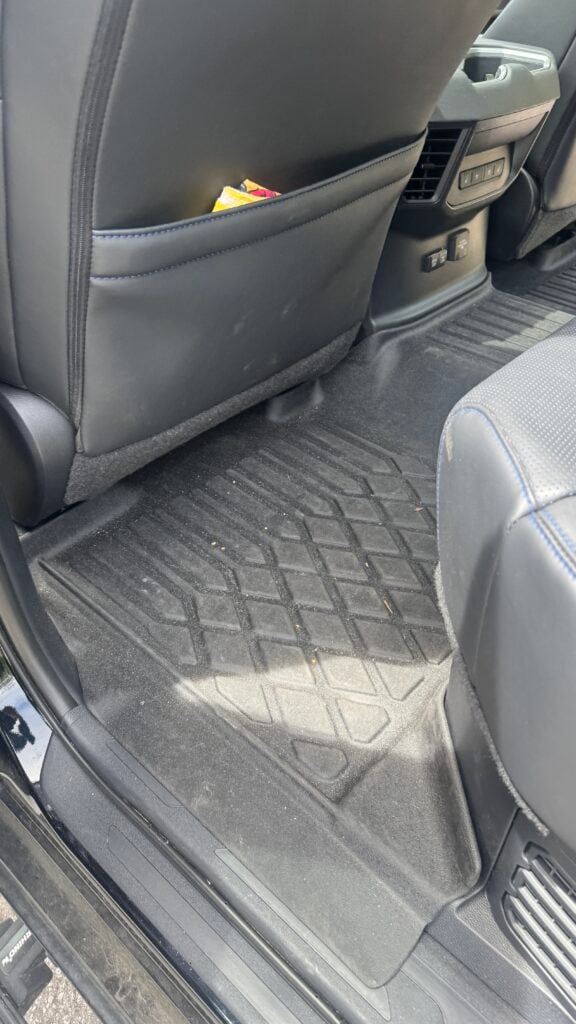
A basic wash knocks loose surface dirt off a hood or deck. Real detailing gets into the places dirt hides: around the radiator fins, inside wheel wells, along hydraulic lines, and under the operator platform. That matters because trapped moisture and organic debris are what actually cause rust, not the dust on top.
Why surface-level cleaning isn’t enough
Mud and plant debris hold moisture against metal for days after a rinse. That constant dampness is exactly the environment corrosion needs. A proper detail dries and protects those hidden areas instead of just moving dirt around.
⚠️ Common Mistake: Spraying a pressure washer straight at electrical connectors or sensors can force water into housings it was never meant to reach. A trained detailer knows which areas get direct pressure and which get hand-cleaned instead.
Protect heavy machinery with proper equipment detailing
Quick Answer: Heavy equipment detailing protects the resale and trade-in value of tractors, skid steers, excavators, and construction machinery by stopping rust before it starts. For contractors around Ocala, Belleview, and Summerfield, that protection pays for itself.
I’ve worked on machines that looked fine from ten feet away but had years of caked mud hiding surface rust underneath. Once we stripped it back, the owner could finally see wear he’d been driving past for months. That’s the real value of heavy equipment detailing — it shows you the true condition of what you own.
Common problem areas on heavy equipment
Undercarriages, tracks, and bucket pins collect the most grime because they sit closest to the ground. Engine compartments trap oily dust that hardens over time. Cabs and glass take a beating from sun and field debris, which fades plastics faster than owners expect.
💡 Expert Insight: According to the U.S. Occupational Safety and Health Administration, regular equipment maintenance — including cleaning — reduces fire and mechanical failure risks tied to grease and debris buildup near engines and exhaust components.
Contractors running crews out of Dunnellon, Reddick, or The Villages often pair equipment detailing with their fleet detailing schedule so trucks and trailers stay consistent too. Fleet managers appreciate having one vendor handle both.
Resale and trade-in value
Used equipment buyers inspect undercarriages and engine bays before they ever check hour meters. A machine that looks neglected invites lowball offers, even if it runs perfectly. Clean, protected equipment signals it was cared for, which supports a stronger asking price.
Keep lawn equipment running longer with routine detailing
Quick Answer: Lawn equipment detailing clears grass acid, fuel residue, and clumped clippings from mower decks, blowers, and trimmers before they corrode housings and dull blades. It’s a small habit that extends the life of expensive landscaping gear.
Grass clippings aren’t just messy — wet clippings packed under a mower deck release acids that eat through paint and thin metal over a season. Landscapers working properties from Gainesville to Micanopy see this constantly on zero-turn mowers that never get a real cleaning.
Why mower decks fail early
Caked clippings hold moisture against the deck’s underside, which is usually the first place rust appears. Once rust starts, it spreads along stress points created by vibration, eventually leading to cracks or holes. Routine lawn equipment detailing interrupts that cycle before it starts.
✅ Quick Tip: Flush a mower deck with a hose after every few mowings, but schedule a full professional detail seasonally to reach bearings, spindles, and the underside of the chassis.
According to the University of Florida IFAS Extension, consistent equipment cleaning and maintenance directly extends the service life of landscaping and agricultural machinery in Florida’s humid climate — a point that matters even more for homeowners who store mowers outdoors in Ocklawaha or Silver Springs.
Know what’s included in a professional equipment detailing service
Quick Answer: A full equipment detailing service typically covers pressure washing, degreasing, undercarriage cleaning, interior cab wipe-down, and a protective coating on exposed metal and plastic surfaces. Exact scope depends on the machine type.
No two jobs look identical. A skid steer needs track and bucket attention; a riding mower needs deck and blade care; an ATV or side-by-side needs suspension and wheel-well detail. A good provider walks the equipment with you first and explains what each step will address.
Typical service breakdown
| Service Step | Heavy Equipment | Lawn Equipment |
|---|---|---|
| Pressure washing | Tracks, buckets, frame | Deck underside, wheels |
| Degreasing | Engine bay, hydraulics | Engine, blade spindle |
| Rust prevention | Undercarriage coating | Deck sealant/spray |
| Interior detail | Cab, controls, glass | N/A or seat/console |
| Final protection | Metal and plastic sealant | Metal sealant |
📊 Data Point: The Environmental Protection Agency notes that improper disposal of wash water containing fuel, oil, or solvent residue can contaminate soil and groundwater — a reason mobile detailers use contained runoff methods rather than dumping on open ground.
For owners who also run trucks or trailers, pairing this with semi-truck detailing or broader large vehicle detailing keeps an entire operation looking consistent, not just the machinery.
Compare DIY and professional equipment detailing
Quick Answer: DIY cleaning handles light, frequent maintenance well, but professional equipment detailing is the better call for deep degreasing, rust treatment, and anything involving hydraulic or electrical components.
Most owners can keep up with surface rinses themselves. Where DIY runs into trouble is reaching tight undercarriage spaces, judging the right chemical strength for different metals, and safely handling runoff.
When to call in a professional
If equipment sits outside most of the year, if it’s used commercially, or if you’re prepping it for sale or trade-in, professional detailing is worth the cost. It’s also the safer option around sensors, wiring, and hydraulic seals that a pressure washer can damage if used incorrectly.
| Factor | DIY Cleaning | Professional Detailing |
|---|---|---|
| Time investment | High, ongoing | Low, scheduled |
| Undercarriage access | Limited | Full access |
| Rust prevention | Minimal | Treated and sealed |
| Risk to electronics/hydraulics | Higher | Lower |
| Best for | Light, frequent upkeep | Deep clean, resale prep |
⚠️ Common Mistake: Using household degreasers on hydraulic fittings can break down seals over time. Equipment-safe products matter as much as the technique.
Set the right equipment detailing schedule
Quick Answer: Most working equipment benefits from a full detail every one to three months, depending on use intensity and storage conditions. Commercial fleets and heavy-use machines lean toward the shorter end.
Seasonal landscaping crews around Summerfield and Belleview often schedule detailing at the start and end of growing season, with a mid-season check in between. Construction and agricultural operators near Fort McCoy and Citra tend to tie detailing to maintenance intervals already on the books.
A simple scheduling guide
- Light residential use (mower, blower, trimmer): detail every 3-4 months.
- Commercial landscaping equipment: detail monthly during peak season.
- Heavy construction or agricultural machinery: detail every 1-2 months, or after major jobs involving mud and debris.
- Equipment headed for sale or trade-in: detail immediately before listing or appraisal.
💡 Expert Insight: Owners who tie equipment detailing to existing oil-change or inspection intervals rarely forget to schedule it — the habit sticks better when it’s bundled with something already routine.
Frequently Asked Questions
What does equipment detailing actually include?
Equipment detailing includes pressure washing, degreasing, undercarriage cleaning, and a protective coating or sealant on metal and plastic surfaces. The exact steps vary by machine type, from tractors to mowers.
How is heavy equipment detailing different from a regular wash?
Heavy equipment detailing reaches tracks, buckets, hydraulic lines, and engine bays that a standard rinse never touches. It’s aimed at stopping rust and preserving resale value, not just making the machine look clean.
How often should lawn equipment be detailed?
Most homeowners and landscapers benefit from lawn equipment detailing every three to four months, with commercial crews often detailing monthly during peak mowing season. Grass acid buildup is the main reason decks need regular attention.
Can equipment detailing help before I sell or trade in machinery?
Yes — a thorough detail before listing or appraisal often improves the offer, since buyers inspect undercarriages and engine bays closely. Clean, well-maintained equipment signals fewer hidden problems.
Is mobile equipment detailing available in Ocala?
Yes, mobile equipment detailing is available throughout Ocala and surrounding communities like Belleview, Dunnellon, and Summerfield, so equipment doesn’t need to be hauled to a shop. A technician brings pressure washing and detailing equipment directly to the property.
Does equipment detailing protect against rust?
Proper detailing removes the trapped moisture and debris that cause rust, then applies a protective coating to vulnerable metal surfaces. It won’t reverse existing rust, but it significantly slows new corrosion.
What’s the difference between heavy equipment detailing and lawn equipment detailing?
Heavy equipment detailing focuses on larger components like tracks, buckets, and hydraulics on machines such as skid steers and tractors. Lawn equipment detailing targets mower decks, blades, and smaller engines affected by grass and fuel residue.
The Bottom Line
Equipment detailing isn’t a cosmetic extra — it’s preventive maintenance that protects what you’ve invested in, whether that’s a single mower or a fleet of construction machinery. Skipping it lets rust, grease, and plant residue do slow, expensive damage that’s easy to avoid. Owners across Ocala, Belleview, Summerfield, and surrounding communities already treat it as part of routine upkeep, not an afterthought.
Next steps:
- Walk your equipment and note visible mud, grease, or rust spots.
- Decide which machines need deep detailing versus a quick rinse.
- Check your maintenance calendar and pair detailing with an existing service interval.
- Request a quote for equipment detailing in your area.
Ocala Detailing is a licensed mobile detailing provider serving Marion, Sumter, and Alachua counties. Ready to protect your equipment before rust takes hold? Schedule your equipment detailing service today.